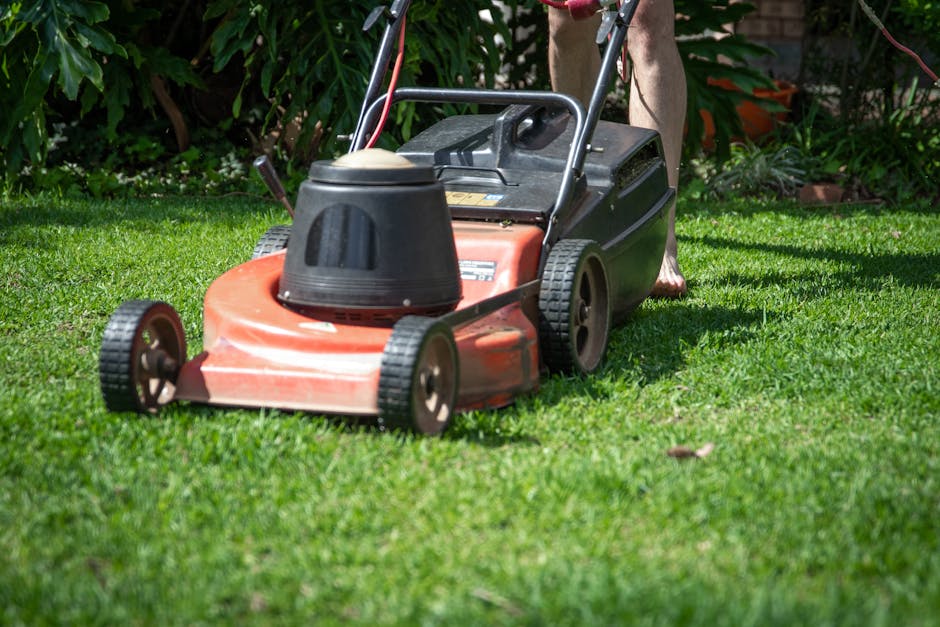
Wood Green lawn care gardeners for urgent turf repair: fast, practical help when your lawn needs saving
If your lawn has gone patchy, muddy, waterlogged, or ripped up after heavy use, you usually do not have the luxury of waiting around. That is exactly where Wood Green lawn care gardeners for urgent turf repair come in. The job is not just to make grass look neat again. It is to stabilise the surface, protect what healthy turf is left, and get the lawn back to something usable before the damage spreads.
In Wood Green, gardens often take a beating from family traffic, pets, shade, compacted soil, and those awkward wet spells that seem to arrive without warning. Truth be told, lawn problems tend to show up at the worst possible moment. This guide walks through what urgent turf repair involves, how the work is done, what to expect from a professional gardener, and how to avoid the mistakes that make a quick fix turn into a bigger bill later.
If you are also weighing broader garden support, it can help to understand the bigger picture through the services overview and, if your lawn issue is part of a wider maintenance pattern, the options for garden maintenance and lawn mowing.
Table of Contents
- Why urgent turf repair matters
- How urgent turf repair works
- Key benefits and practical advantages
- Who this is for and when it makes sense
- Step-by-step guidance
- Expert tips for better results
- Common mistakes to avoid
- Tools, resources and recommendations
- Law, compliance, standards, or best practice
- Options and methods compared
- Case study or real-world example
- Practical checklist
- Conclusion
- Frequently asked questions
Why Wood Green lawn care gardeners for urgent turf repair Matters
Urgent turf repair matters because lawn damage rarely stays still. A small bald patch can turn into a larger dead area, especially if the soil underneath is compacted or the weather keeps shifting between wet and dry. Once water starts pooling, roots struggle. Once soil is churned up, weeds move in. And once the grass is sparse enough, the whole thing can begin to look tired very quickly.
For many homes in Wood Green, the issue is not one single cause. It is often a combination: family footfall, trampoline movement, dog activity, heavy pots, poor drainage, or a section of lawn sitting in shade most of the day. Gardeners who deal with turf repair regularly know how to separate cosmetic damage from structural damage. That matters, because the wrong fix can look good for two weeks and fail after the next downpour. Nobody wants that. It is a bit frustrating, to be fair.
Another reason it matters is continuity. If the lawn is part of a front garden, communal access route, rental property, or customer-facing outdoor area, the visual impact is immediate. A damaged lawn can make the whole garden feel neglected, even when the rest is tidy. In some cases, it also creates practical issues: slipping in mud, blocked access, or more soil tracking into the house.
Expert summary: urgent turf repair is not just about laying new grass. It is about diagnosing why the lawn failed, fixing the surface properly, and setting it up so the repair actually lasts.
How Wood Green lawn care gardeners for urgent turf repair Works
A proper turf repair process starts with inspection. A gardener will look at the visible damage, but the real work is underneath. Is the soil soft and wet, or hard and compacted? Is the area shaded, drained poorly, or simply worn out? Are there roots, pet damage, or signs of disease? These details change the method.
In urgent situations, the work often follows a practical sequence:
- Assessment: identify the type and scale of damage.
- Clear the area: remove dead grass, weeds, debris, and loose thatch.
- Prepare the base: relieve compaction, level low spots, and improve the top layer of soil.
- Repair: either patch with turf, overseed, or combine both depending on the condition.
- Settle and water: ensure contact between seed or turf and soil, then water correctly.
- Aftercare: protect the area from traffic and monitor progress.
Urgent turf repair is often more successful when paired with wider garden work. For example, overhanging branches can block light and slow recovery, which is why some lawns improve noticeably after hedge trimming or even selective tree lopping and removal where shade is severe. That does not mean you need to strip the garden back. It just means the lawn should not be treated in isolation if light and airflow are part of the problem.
Sometimes a gardener will also recommend clearing away clutter, old plant waste, broken edging, or rotting timber that is keeping an area damp. In those cases, garden clearance can be a sensible first step. The grass cannot recover properly if the ground never gets a chance to breathe. Simple as that.
Key Benefits and Practical Advantages
There is a strong practical case for using experienced gardeners when turf needs repair in a hurry. The obvious benefit is speed, but speed only helps when the repair is done properly. A rushed job that ignores drainage, soil condition, or aftercare is not really a time-saver at all.
Here are the most useful benefits:
- Faster recovery: the lawn can return to use sooner than if you wait for trial-and-error fixes.
- Better root establishment: proper preparation helps new turf or seed bond with the soil.
- Less wasted effort: you avoid repeating the same repair after the first attempt fails.
- Cleaner appearance: a tidy patch repair often blends better with the surrounding lawn.
- Reduced spread of damage: tackling the problem early can stop weeds, moss, and bare patches expanding.
There is also a less obvious advantage: confidence. When your lawn has suddenly gone wrong, it is easy to overreact and start digging, overwatering, or throwing on random products. We have all seen that kind of weekend panic. A professional approach steadies the situation and helps you make measured decisions.
| Benefit | What it means in practice | Why it matters |
|---|---|---|
| Assessment before action | The cause of damage is identified first | Prevents repeating the same failure |
| Proper surface prep | Dead turf, compacted soil, and debris are addressed | Improves rooting and drainage |
| Matched repair method | Seed, turf, or a mix is chosen to suit the site | Creates a more durable result |
| Aftercare guidance | You are told how to water and protect the area | Helps the repair settle properly |
Who This Is For and When It Makes Sense
Urgent turf repair is for anyone who needs the lawn working again quickly, not eventually. That could mean a family garden where kids keep running across the damaged area, a rental property between tenancies, or a front lawn that has become a muddy mess after one very wet fortnight. Wood Green homes vary a lot in layout, but the need is often the same: restore usable ground without making the issue worse.
It makes sense when you notice any of the following:
- bald patches that are spreading
- soft, spongy, or waterlogged turf
- compacted soil that feels hard underfoot
- areas torn up by pets, games, or repeated foot traffic
- newly laid turf that is failing to knit in
- severe thinning from shade, poor mowing, or neglect
It is also sensible if you are already booking broader garden work. For instance, a lawn repair alongside garden maintenance or a seasonal tidy-up often works better than piecemeal repairs done months apart. A lawn does not care whether the problem is technically "small"; it just responds to conditions.
There are times when urgent turf repair may not be the first priority. If the whole garden is overgrown, blocked with debris, or structurally neglected, a gardener may recommend garden clearance before repairing the grass. That is not a delay tactic. It is usually the realistic route to a repair that holds up.
Step-by-Step Guidance
If you want a sensible, no-nonsense approach, this is the general order to follow. You do not need fancy kit, just a clear sequence and a bit of patience.
- Check the cause first. Look for drainage problems, shade, compaction, pet wear, or disease-like symptoms. If you cannot tell, do not guess wildly.
- Measure the damaged area. A patch the size of a tray is one thing. A long strip beside a path is another. The size affects the method and materials.
- Decide between patching and reseeding. Patching with turf is faster and gives instant coverage. Overseeding is slower but can be practical for thinner areas.
- Prepare the soil. Remove dead material, break up compacted ground, and level dips. This step is not glamorous, but it is where most good repairs are won.
- Install the repair. Lay turf tightly with no gaps, or spread seed evenly and lightly cover it so birds and wind do not take it for a ride.
- Water correctly. The soil should stay consistently moist, not soaked. Overwatering can be just as unhelpful as neglect. Annoying, but true.
- Protect the area. Keep pets, kids, and heavy foot traffic off the repair until it roots in.
- Monitor the edges. Edges dry out first and lift first. If they fail, the repair can unravel from the sides.
If the lawn sits close to hard landscaping, patios, or timber features, it is worth checking how the surrounding space affects it. Drainage runs, shade, and soil splash from paving can all influence repair success. In a garden with decks or structured borders, the broader layout matters too, which is why services such as landscaping or landscape gardening sometimes sit behind an apparently simple turf issue.
Expert Tips for Better Results
Small adjustments make a big difference. That is especially true with turf, where the difference between "looks fine" and "takes properly" can be one good watering routine or one missed step.
- Repair early in the day if possible. Cooler conditions help reduce stress on fresh turf or seed.
- Match the repair to the surrounding lawn. A patch that is too thick or too lush can stand out in a strange way, especially in low light.
- Do not mow too soon. Fresh turf needs time to root. Newly seeded areas need even more patience.
- Aerate compacted spots. If the ground feels hard as a floor, turf alone will struggle.
- Fix the cause, not just the symptom. If shade, drainage, or traffic is the real issue, repair the site with that in mind.
One practical observation from real garden work: people often overestimate how much water a repair needs in the first 48 hours and underestimate how much protection it needs from foot traffic. The lawn can usually recover from a slightly imperfect watering pattern. It recovers less happily from someone deciding to "just quickly cross it" in wet trainers.
For ongoing success, it helps to pair repairs with a steadier routine. Regular lawn mowing at the right height, sensible feeding, and light seasonal care can make the repaired section blend in and stay stronger for longer.
Common Mistakes to Avoid
Most turf repair problems come from a handful of repeat mistakes. The good news is that they are avoidable once you know what to look for.
- Skipping soil preparation: laying turf over compacted or dead ground usually leads to patchy rooting.
- Using the wrong repair method: not every damaged lawn needs full replacement, but not every patch can be saved with seed either.
- Overwatering: soggy conditions invite rot and poor establishment.
- Letting traffic continue: one day of "careful walking" can undo a week of progress.
- Ignoring shade or drainage: if the original cause remains, the damage often returns.
- Repairing only the visible surface: hidden roots, compaction, and poor levels matter more than they look.
There is also a subtle mistake that catches people out: expecting instant uniformity. A repaired turf section may look a little different for a while. That is normal. The aim is healthy recovery, not a magazine spread by tomorrow lunchtime.
Tools, Resources and Recommendations
You do not need a shed full of specialist equipment, but the right basics make the work easier and cleaner. A gardener handling urgent turf repair will often use tools such as a turf cutter, rake, spade, levelling board, aeration fork, and a hose or watering can with a fine rose. For larger areas, wheelbarrows and topsoil can also come into play.
For property owners, the most useful "resource" is honestly a clear plan. Before any repair, make sure you know:
- how much of the lawn is damaged
- whether the issue is localised or widespread
- what has caused the problem
- how long the area can be kept off-limits
- whether nearby garden work should happen first
If you want help judging whether the job is a simple patch, a maintenance issue, or part of a larger garden refresh, it can be useful to review the company's about us page for service approach and the pricing and quotes page for how requests are typically handled. That at least gives you a baseline before making decisions.
And if the lawn damage is happening alongside other garden work, you may also want to look at hedge reduction, debris removal, or structural improvements. A garden is a connected system. A bit obvious, maybe, but easy to forget when you are staring at one ugly patch of grass.
Law, Compliance, Standards, or Best Practice
For turf repair in a domestic garden, there is usually no special legal framework unique to the grass itself. Even so, good practice matters. A professional gardener should work safely, manage waste responsibly, and avoid creating hazards while carrying out the repair.
In UK garden work, sensible practice generally includes:
- safe handling of tools and lifting materials
- care around uneven ground and slippery surfaces
- clear communication about access, timing, and aftercare
- responsible disposal or recycling of green waste where possible
- reasonable protection of nearby paving, beds, and structures
It is also worth checking whether a provider has clear policies on safety, payment, and customer process. Those details are not glamorous, but they matter when you are booking work quickly and want to know what to expect. Pages such as health and safety policy, insurance and safety, and payment and security help set that tone.
Waste and sustainability are also part of modern best practice. If the repair creates clippings, old turf, or leftover soil, it is sensible to ask how the material will be handled. The company's recycling and sustainability information is a useful place to start. Nothing dramatic, just the kind of thing that shows the work is being done properly.
Options, Methods, or Comparison Table
Different lawn problems call for different remedies. The right choice depends on urgency, damage depth, weather, and how quickly you need the area usable again.
| Method | Best for | Speed | Strengths | Limitations |
|---|---|---|---|---|
| Patching with new turf | Small to medium bare or damaged areas | Fast | Immediate visual improvement, good for urgent fixes | Needs good soil prep and aftercare |
| Overseeding | Thin lawns with some grass remaining | Moderate | Cost-effective, improves density over time | Slower to establish, less ideal for emergencies |
| Soil improvement plus repair | Compacted or poor-draining lawns | Moderate | Addresses the root cause, improves long-term recovery | Takes more effort up front |
| Full lawn renovation | Widespread failure or very tired turf | Slower | Best for severe, repeated problems | More disruption and usually higher cost |
As a rule of thumb, urgent repair leans toward turf patching or targeted renovation rather than a full redesign. If the garden layout itself is contributing to the problem, then broader work may be worth considering, and services like landscaping or landscape gardening can be relevant. If the whole garden has become tangled, clearing and resetting the space first may be the smarter move.
Case Study or Real-World Example
A typical urgent repair situation in Wood Green might look like this: a small family garden has a side strip of lawn that has turned into a muddy track after weeks of wet weather and repeated foot traffic. The rest of the garden is fine, but this section near the gate is worn down, slimy, and starting to spread into the surrounding grass.
The first step is not to rush in with fresh turf. The damaged strip is cleared, the soil is checked for compaction, and the level is adjusted so water does not keep sitting in the same spot. If the nearby hedge has created a shady, damp pocket, a little trimming helps. If the path edge is causing the wear, the layout may need a small rethink so the same track does not form again. Nothing wild. Just sensible garden judgement.
In a case like this, the repair can be completed with a turf patch rather than a whole-lawn replacement. The result looks better quickly, but the real win is that the homeowner is told how to keep the area off-limits and how to water it lightly for the first period. Two weeks later, the patch has started to knit in, and the muddy shortcut is no longer dominating the garden. Not perfect, not overnight, but much better. Which, frankly, is what most people need.
Practical Checklist
Use this quick checklist before booking urgent turf repair or starting the work yourself.
- Have you identified the likely cause of the damage?
- Is the problem localised or spread across the lawn?
- Has the area been cleared of dead grass, moss, and debris?
- Does the soil need loosening or levelling first?
- Do you need patch turf, overseeding, or a fuller renovation?
- Can the area be protected from pets and foot traffic?
- Are nearby hedges, trees, or structures affecting light or drainage?
- Do you know how you will water the repair in the first few days?
- Have you checked whether broader garden work is also needed?
- Are you comfortable with the aftercare, or would a professional make more sense?
If any of those questions are making you pause, that is usually a sign that a more experienced pair of hands would be helpful. No shame in that. Lawns are simple until they are not.
Get a free quote today and see how much you can save.
Conclusion
Urgent turf repair is one of those jobs where timing, judgement, and preparation matter more than dramatic fixes. The right Wood Green lawn care gardeners will not just patch a bad-looking area and disappear. They will look at what caused the failure, repair the ground in a way that suits the site, and give you practical aftercare so the lawn has a real chance to recover.
If your grass is worn, muddy, or fading fast, the best move is usually to act before the damage spreads. That might mean a quick patch, a soil correction, or a slightly broader garden tidy-up. Whatever the route, a calm, well-planned repair tends to save time in the end. And it feels good when the lawn comes back, especially on a clear morning when the grass finally looks green again.
For a straightforward next step, explore the wider support available through the services overview and the team's contact page if you are ready to talk through the damage and arrange a visit.
Frequently Asked Questions
How quickly can urgent turf repair be done?
It depends on the size of the damaged area, weather conditions, and what preparation is needed first. Small patch repairs can often be done faster than full lawn restoration, but the site still needs proper assessment and base preparation.
Is patching with turf better than seeding for urgent repairs?
For urgent repairs, turf is usually faster because it gives immediate coverage. Seeding is useful for thinner areas and may be more cost-effective, but it takes longer to establish and needs careful aftercare.
Why does my lawn keep getting bare patches in the same place?
Repeated bare patches often point to a root cause such as shade, drainage problems, heavy foot traffic, or compacted soil. Repairing the surface without fixing the cause usually leads to the same problem returning.
Can a lawn be repaired in wet weather?
Sometimes, but only if conditions are workable. Very wet ground can make compaction and turf handling worse, so a professional gardener will usually judge whether it is better to proceed, wait, or use a different repair method.
How long does new turf take to settle?
Fresh turf typically needs time to root into the soil, and the exact period depends on weather, soil condition, and watering. During that time, the area should be protected from traffic and kept evenly moist.
Will urgent turf repair fix drainage problems?
Not by itself. If poor drainage is the real issue, the repair may fail again unless the ground is improved first. That is why assessment and soil preparation matter so much.
Do I need garden clearance before turf repair?
If the lawn area is cluttered with waste, dead growth, or debris, garden clearance can be a useful first step. It is especially relevant when the damage is part of a wider neglected area rather than one isolated patch.
Can turf repair be combined with other garden work?
Yes, and that often makes sense. Tasks like hedge trimming, garden maintenance, or light landscaping may improve light, airflow, and access around the lawn, which can help the repair last longer.
How do I know if my lawn needs repair or full replacement?
If the damage is localised, patch repair or overseeding may be enough. If most of the lawn is failing, badly compacted, or constantly waterlogged, a fuller renovation may be the more realistic option.
What should I ask a gardener before booking turf repair?
Ask what caused the damage, what method they recommend, how they will prepare the soil, how long the area should be kept off-limits, and what aftercare is needed. A good answer should sound practical, not vague.
Is urgent turf repair expensive?
Costs vary with the size of the area, the repair method, and whether extra preparation is needed. For that reason, it is better to request a tailored quote rather than assume one lawn looks the same as another. They rarely do.
What if the repair keeps failing?
If a repair fails more than once, the problem is probably deeper than the surface. Compaction, drainage, shade, poor soil, or repeated wear may need attention before another repair is attempted.